Last year, ads in AI Overviews on Google search results increased by 394% in only eight months.
That trend has continued into 2026, with a 58% increase in AI Overviews containing ads since Q4 last year.
If you’re paying for Google Ads and want to maximize visibility, this trend is worth paying close attention to when devising your PPC strategy.
We will draw on our 15+ years of paid advertising experience as an award-winning digital marketing agency to explain what the trend means and what you can do right now to optimize your campaign.
What Are AI Overviews (AIOs)?
Let’s back up a moment and explain what AIOs are, and why they’re important.
AIOs are Google’s generative AI summaries that appear at the top of search results, like below:
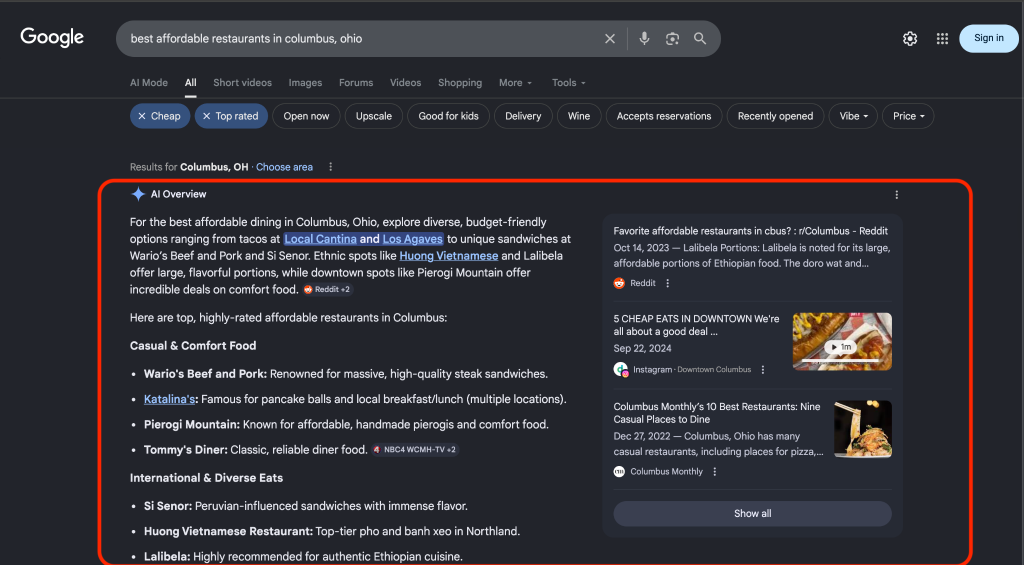
Their purpose is to provide a streamlined, detailed answer that draws on various web sources to save users time before they ever have to scroll to the traditional blue links or click through to a website.
Just like other answer engines and AI-driven responses, Google is trying to answer the users’ questions as quickly and comprehensively as possible.
Depending on the source, AIOs appear in 21%–60% of Google search queries in the U.S.
The proliferation of AIOs is one of the main reasons click-through rates are dropping dramatically.
From a digital marketing perspective, this means gaining visibility in AIOs is essential to achieve relevant visibility in Google (which is still the dominant search platform despite the growth of Large Language Models and social media platforms).
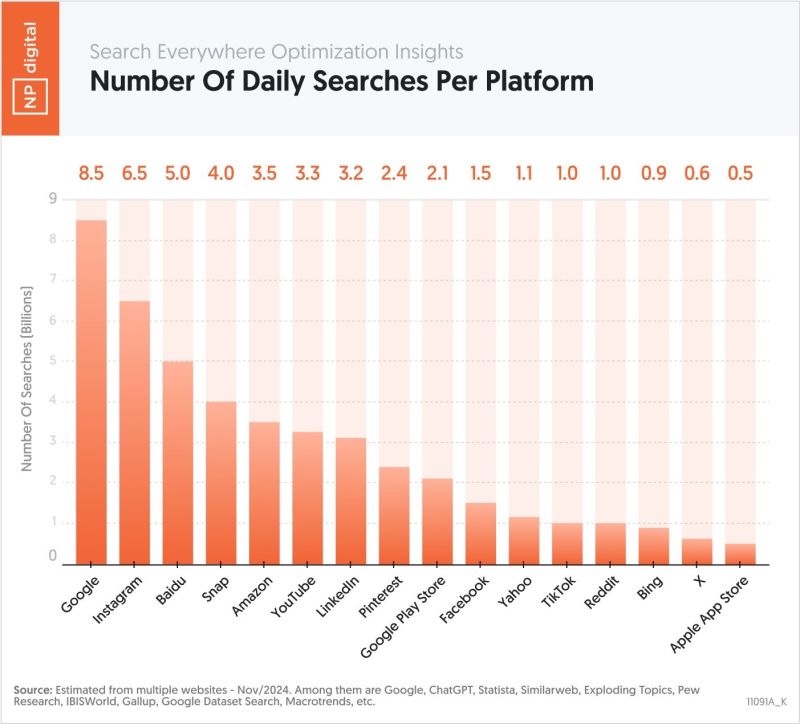
Photo courtesy of NP Digital.
How Exactly Do PPC Ads Appear in AI Overviews?
According to Google, “you can’t directly target ad placements in the AI Overviews.”
This means there’s nothing you can do to control ad placements in AIOs (as of now).
They will automatically populate if certain conditions are met.
The conditions (straight from Google’s About ads in AI Overviews) where ads can trigger in AI Overviews include:
- “If there is commercial intent detected and Google can show quality ads that are relevant to the user query.”
- “The ads must additionally be relevant to the content of the AI Overviews.”
As long as your existing Search, Shopping, or Performance Max ads can win the auction and are relevant to both the query and the AI Overview, you’re eligible to appear.
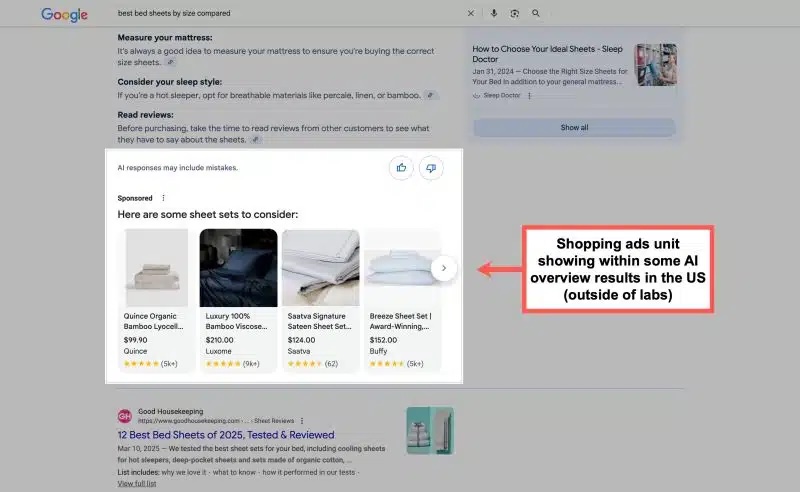
Some ads pulling into AI Overviews appear to come from Google Shopping (Merchant Center), others from standard Google Search campaigns
Here’s an example of shopping ads in AIOs, courtesy of Search Engine Land:
What We’re Seeing With AIO Ads in the Evolving Google Landscape
To see if AIO ads were populating at an increased rate, we conducted our own testing, using 10 different searches across different browsers and computers to look for ads within AI Overviews.
Our Ads in AI Overviews Test Results
For this test, we included the queries:
- Best products to use after a C-section
- Best washer and dryer for a basement
- Best TV for a living room
- Best instant eye lift for women over 40
- Best company in Columbus
- Best personal injury attorney in Columbus
- Best marketing agencies in Ohio
What did we find? No ads.
We built on this testing further by testing informational queries (which trigger AIOs the most), like “how to fix low water pressure in house” and “why is my AC blowing warm air,” to see if ads would appear.
Nada. Zero ads.
Despite the data cited in the introduction of this article, noting the huge increase in Google Ads in AIOs, we didn’t find any in our testing.
What does this mean?
That ads in Google’s AIOs are inconsistent and emerging.
How to Keep Tabs on Whether Your Ads Are Appearing in AIOs
Since there’s no segmented report showing which impressions or clicks came specifically from AIOs, you’re somewhat left in the dark when it comes to Google Ads’ presence in AIOs.
But not totally.
Here are a couple of ways you can check whether your ads are showing in AIOs:
– Conduct manual searches for your primary keywords in an incognito window. This is the best way to check if ads are populating in AIOs. Don’t do this frequently, but every once in a while.
– Look at conversion data: If you’re seeing a positive uptick in conversions, this could be via AIO.
Since ads in AIOs are still materializing, with no real control over how frequently they appear, they should be only a part of an “Own the Real Estate” mindset when it comes to Google.
Let’s break this down further by discussing the current landscape of Google’s SERPs before explaining how to structure your PPC strategy.
Having an “Own the Real Estate” Mindset for Google
When you look at Google’s first page nowadays, it is filled with all sorts of sections, including:
- Paid Search Ads (Top of page)
- AI Overviews
- Local Pack
- Organic Results
- People Also Ask (PAA)
- Image Pack
- Video Carousel
- Discussions and Forums
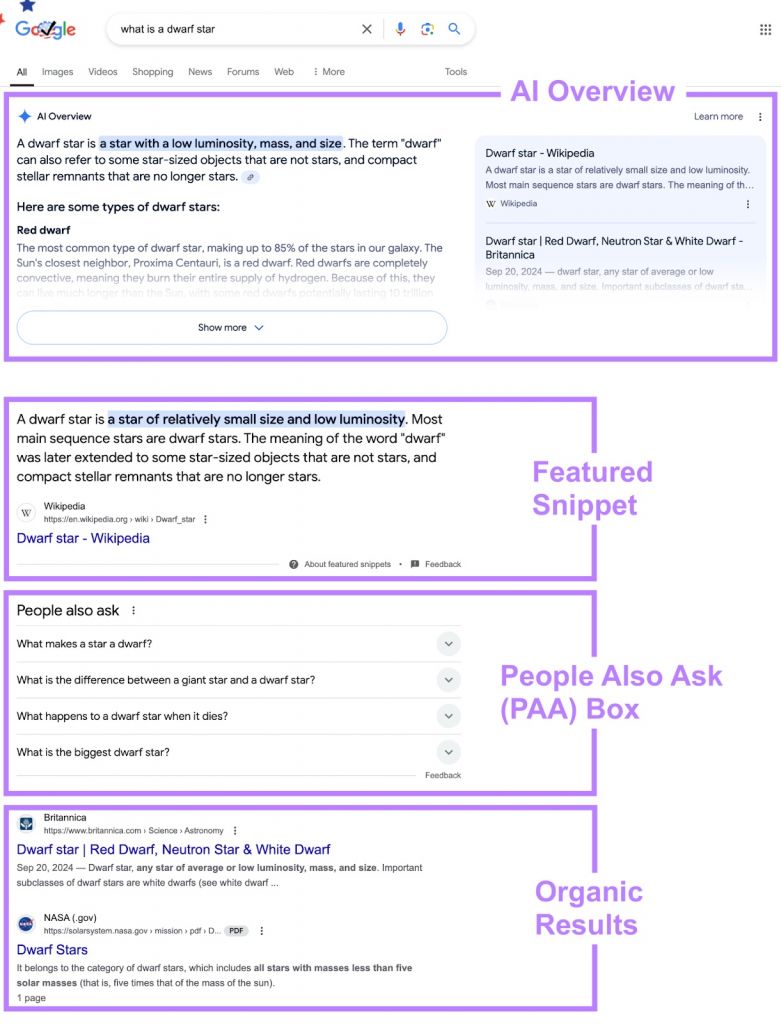
Photo courtesy of Semrush.
The way you can think of Google’s first page is like a piece of real estate. You want to own a piece of every section for your target keywords.
The more brand awareness you build, the more people start to trust your brand.
The Marketing Rule of 7 states that a person must encounter your brand at least seven times before making a buying decision.
Keep this in mind with Google’s first page. You want to be all over it.
So, How Do Google Ads Come Into Play?
Google Ads now plays a multi-faceted role in getting brands featured prominently on Google, including AIO mentions.
If you’re trying to own a piece of all of Google’s first page features, running ads can now increase your visibility beyond the traditional ad placements.
From an AIO perspective, even if you can’t directly track your performance yet, running Google Ads keeps you eligible for AIO placement as it expands.
It’s not just AIO’s that are seeing ad placements increase, either. Google’s Local Pack (which gets 44% of clicks on page one of Google) is also seeing a major increase in terms of ads populating in organic results.
What Your PPC Strategy Should Look Like Today
With the versatile nature of Google Ads today, here are three key tips to keep in mind as you structure your PPC strategy:
- Don’t change your strategy. Stay the course on existing Google Ads campaigns.
- Ensure your campaigns are active and optimized so you’re eligible for AI Overview placements.
- Watch the ads in AIO trend closely. It’s rapidly evolving, and a dedicated ad format for AI Overviews may emerge in the future (similar to how Google Shopping has its own format).
As it stands today, Google doesn’t offer a way to segment AIO ad data.
In an ideal world, Google would build something similar to search impression share, but specifically for AIO placements.
This would give advertisers a clear breakdown of traditional PPC visibility vs. AIO appearances.
It’s a metric worth watching for as this space matures.
In Closing
We hope this article provided you with insights you can take away for your PPC campaigns.
Check out The Rise of Ads in Google’s Local Pack: What Businesses Need to Know to learn more about how Google is diversifying its ad placements within SERP features.